Tokyo
Japan
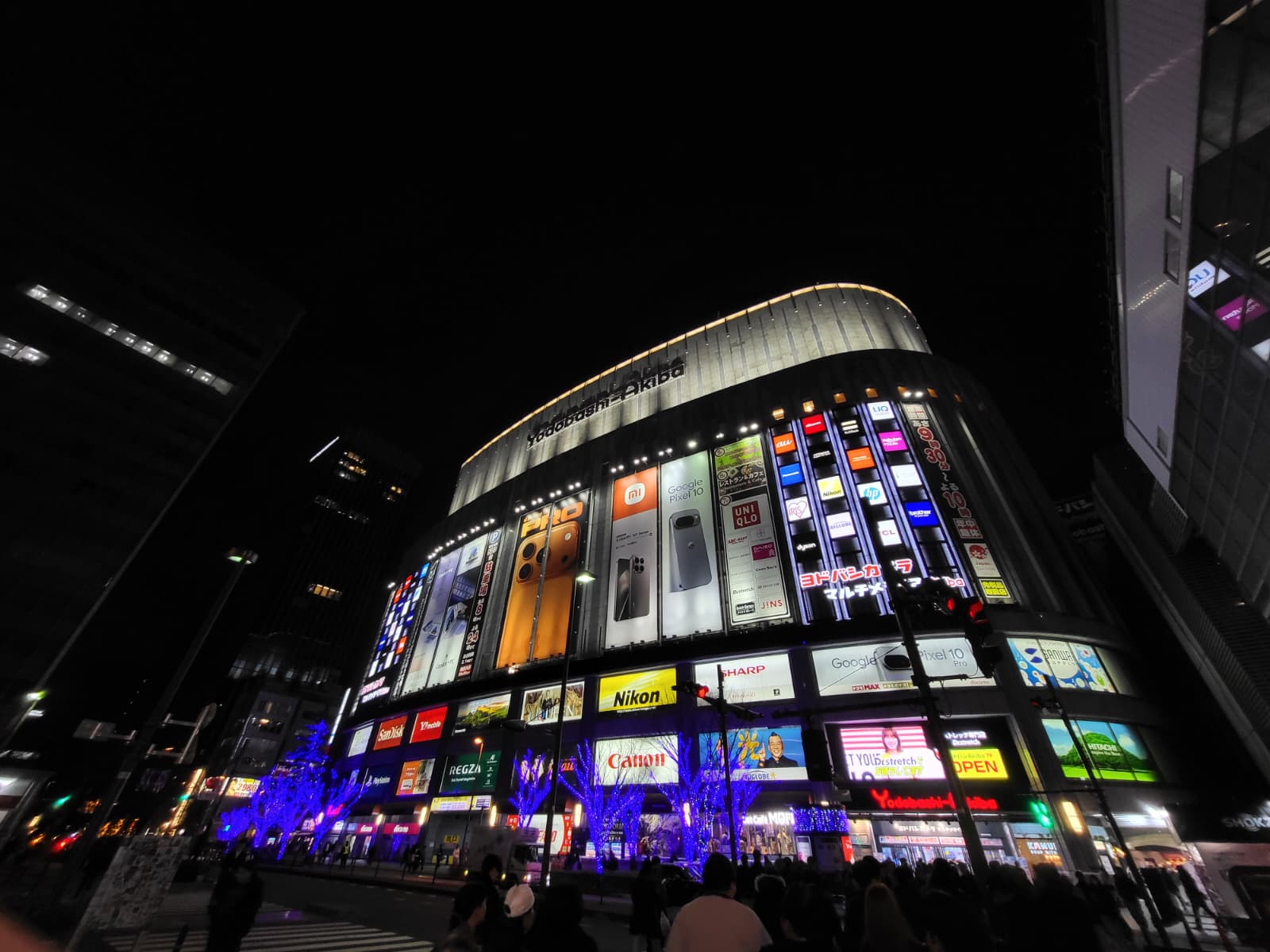
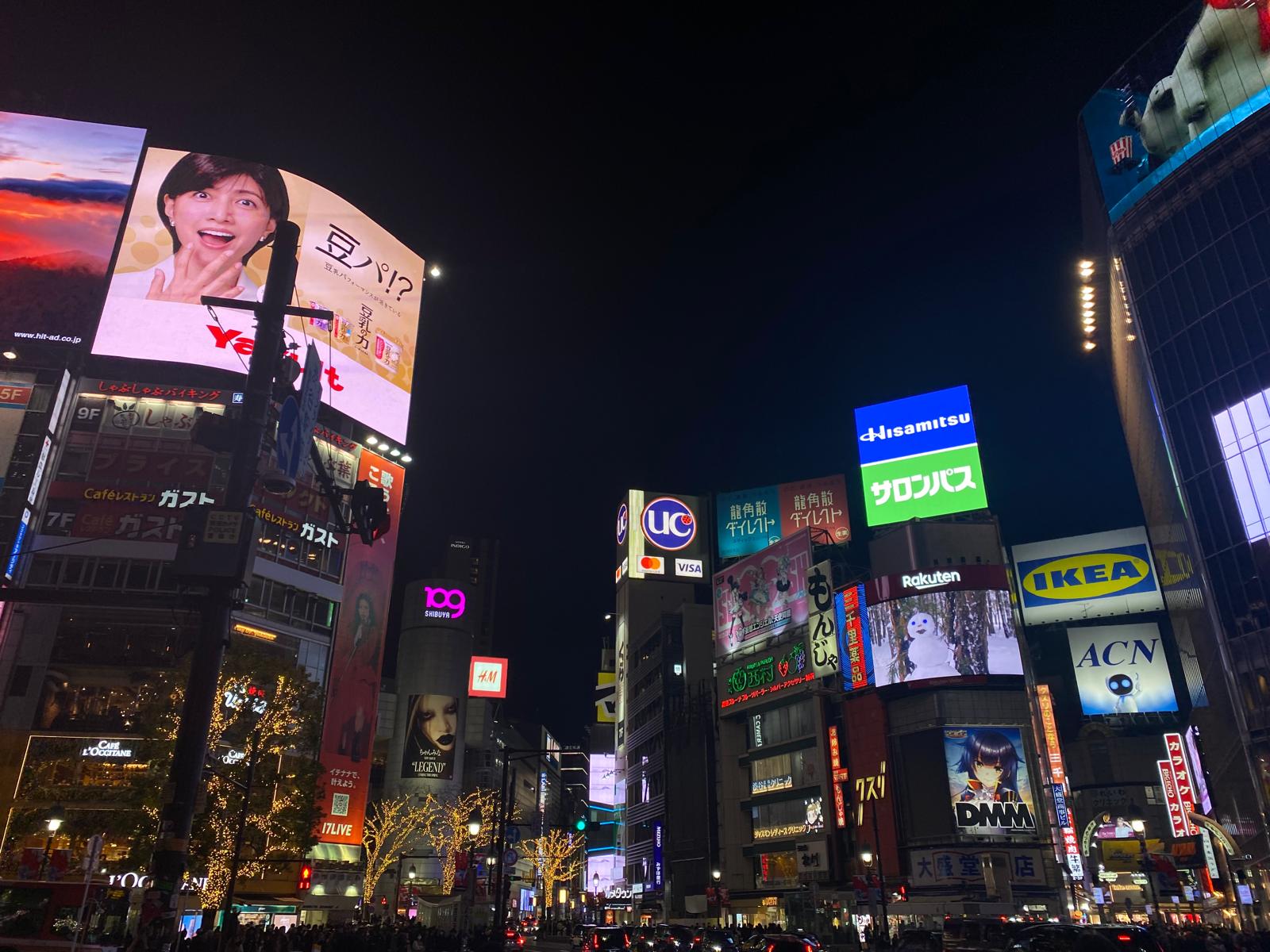
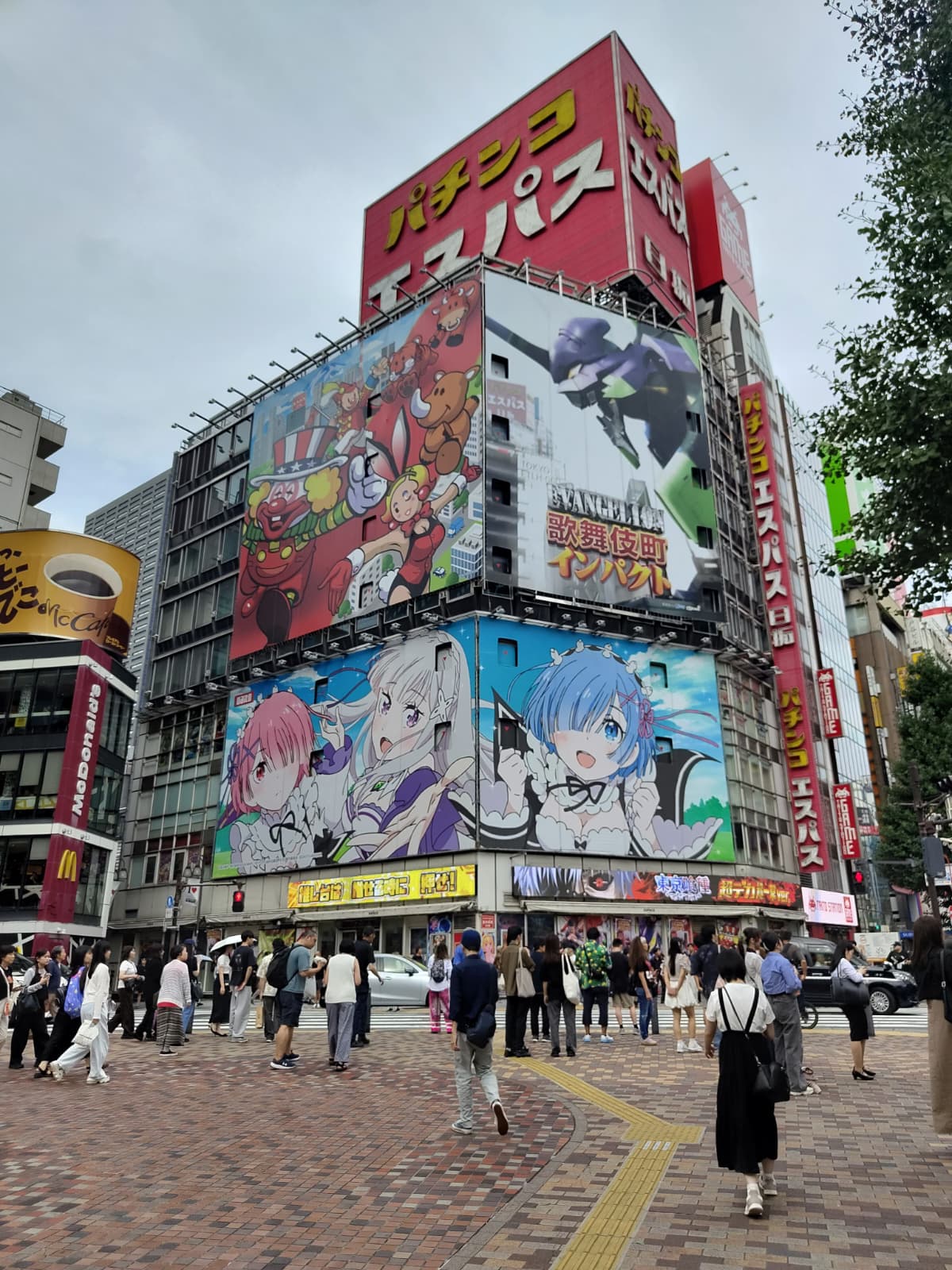
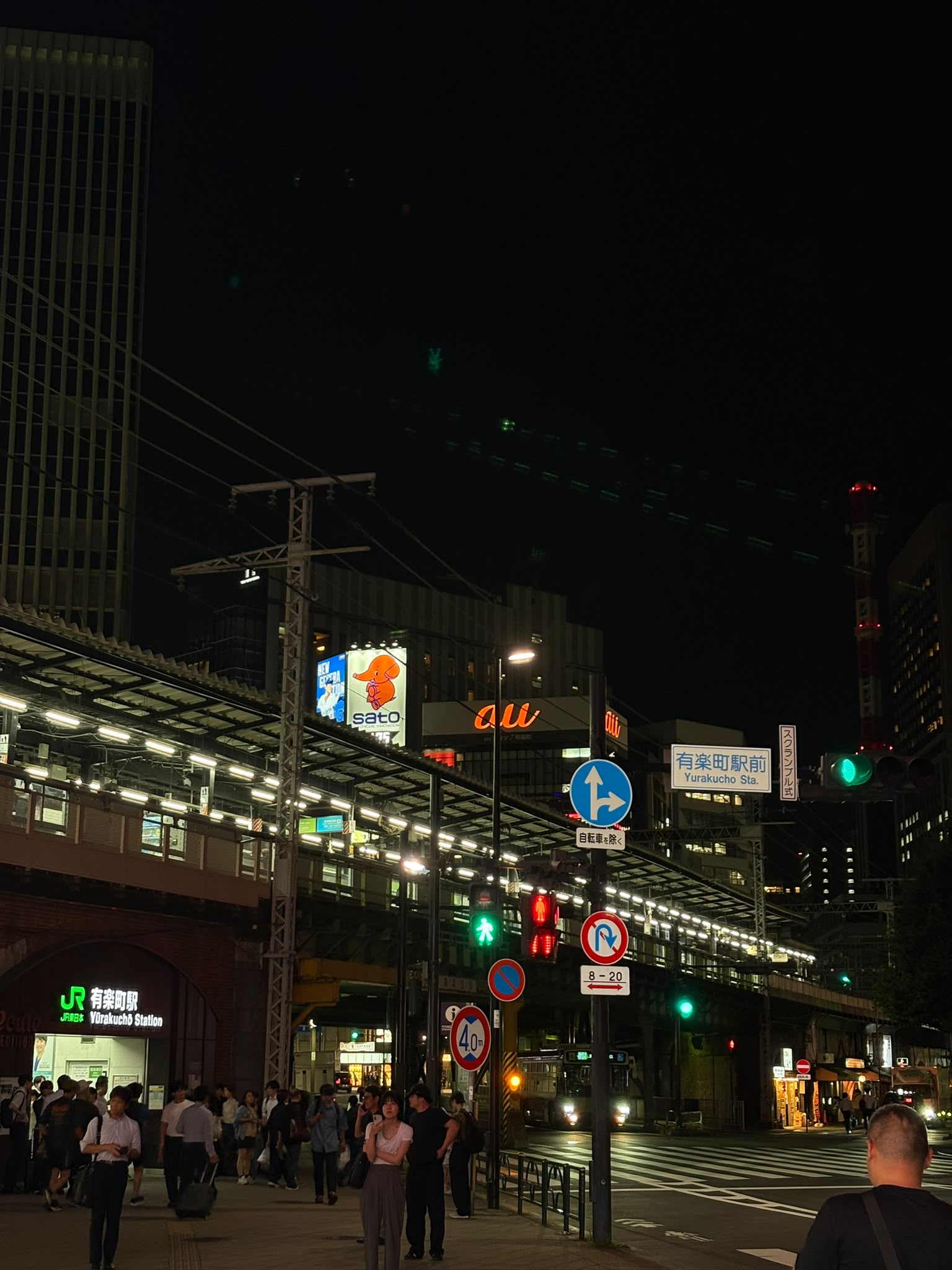
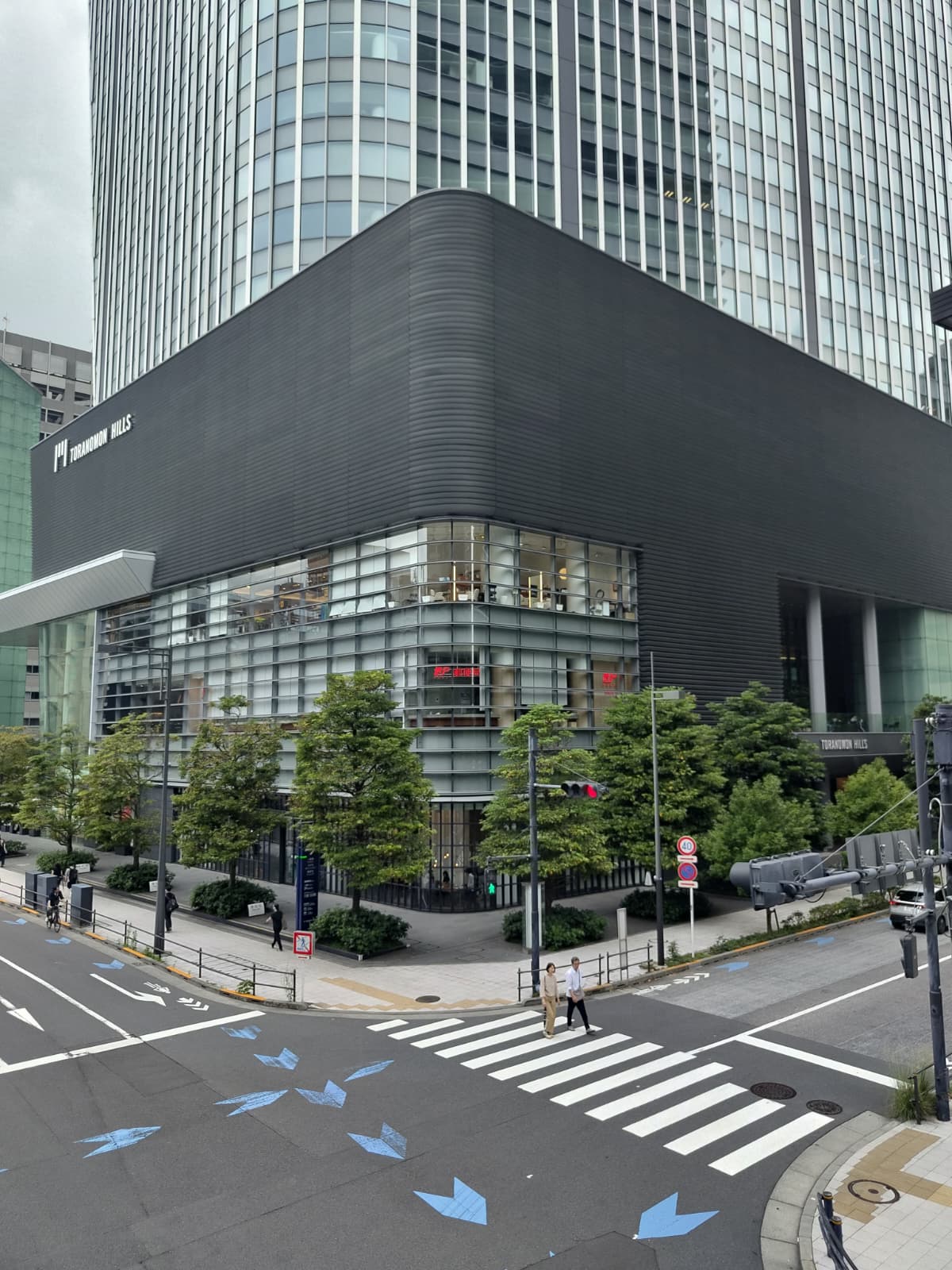
When I went to Tokyo after Europe I was sure I would see different things. Everything was different: the signs, the cities, the roads, the cars. The cars were small, for instance; the houses and the roads were unusual too, and most of the time there were no pavements. This was a different point of the world I knew. Europe and Türkiye had similar structures; even though Türkiye has not managed to urbanise, fashion, cars, products, many things were alike. Tokyo was different, in every way.
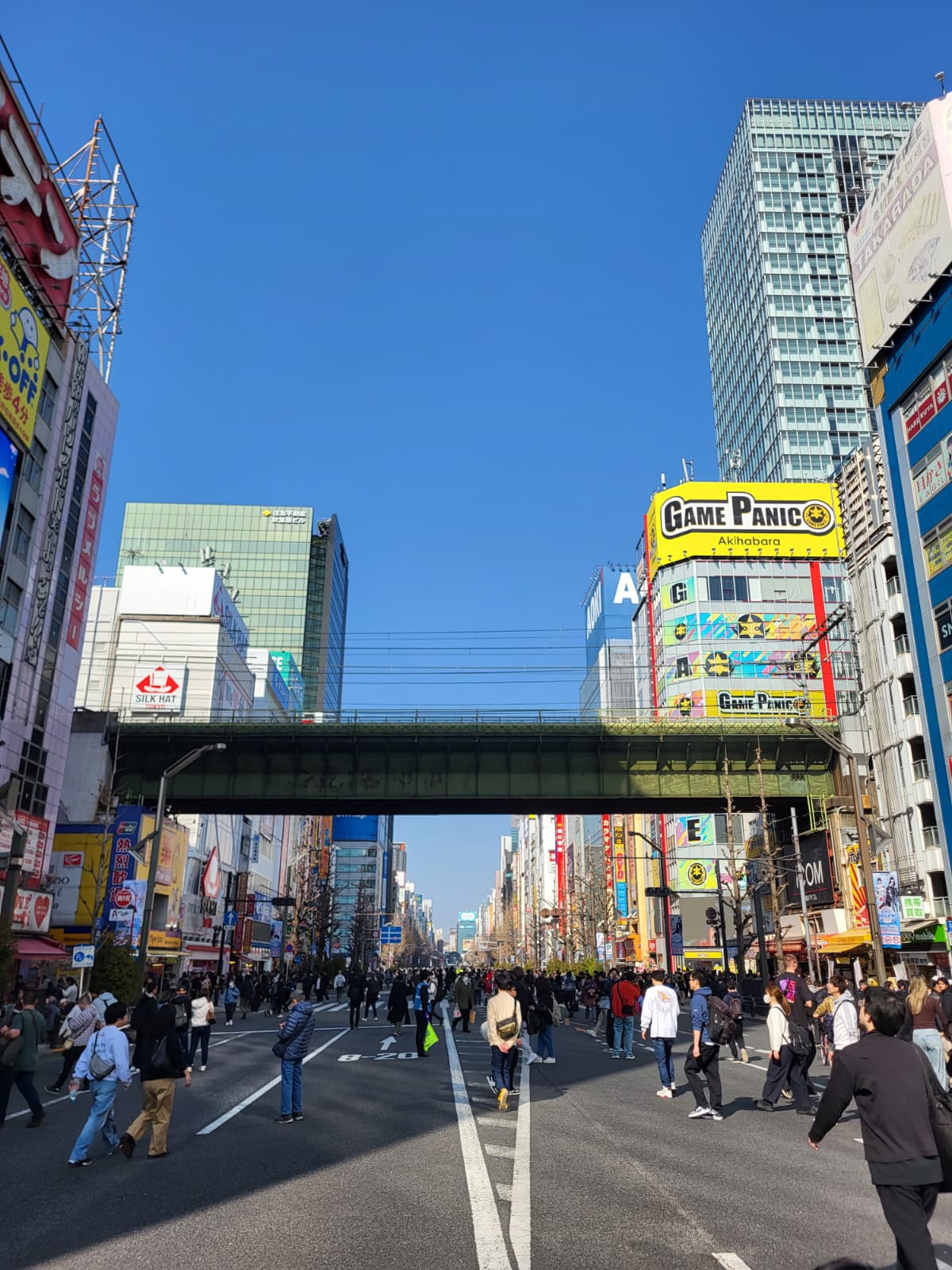
But at first I liked that atmosphere in the centre of the city. While the colourful signs, the big "tax free" lettering, products I had never seen before and some cheap things looked appealing to me, I realised I was trying not to tour and understand the city but to buy things. It was actually my mother who made me see it. A simple thing, really: I had taken a liking to a bag in a bag shop. It was nothing unusual either; a bag I thought was cheap at that moment and that I liked. I told my mother, "I'm buying this." Right then she simply asked me something like, "Do you need it?" In fact I did not; I had another bag with the same functions. "I don't need it," I said. Only at that moment was I able to notice the words the city had been injecting into me: "Consume, buy, look, it's cheap, but good quality."
I thought for a while: everything in the city was like this. Desires, sexuality, even friendship had become something consumable. Instead of the organic bonds people form with one another, or the things they buy with their labour and will use for a long time, it was the lights of the wide-eyed advertising signs that were showing me the way.
I cannot go without saying a little about Ginza and the paper advertisements in the metro. For some reason I loved Ginza in a way that makes no sense. There were no advertising signs here; big skyscrapers, smart people always dressed formally… and they generally gave the impression of hurrying somewhere. Walking among the wide streets and skyscrapers I felt quite small myself, but I enjoyed walking, drinking my raspberry Fanta (for liking this drink I was judged by two friends named Zeynep and Cafer). And yet these buildings were the main arteries of that culture I did not like; its factories, even.
Another thing that struck me as strange was the paper advertisements in the metro. In this universe where so much has been digitised I did not understand why they used paper adverts, and in the metro they stuck them on every empty spot they could find. Of course it was not only this; in some places they still used things tied to the past: certain tickets being validated with pen and paper, and many more. Even if the city is not run by cyborgs, at some moments old habits could be seen; or perhaps they chose not to change everything, and transformed only what needed transforming.
Sometimes, when development is mentioned, people think even the simplest things must be transformed. For instance we still use plastic bottles; the year is 2026. Why we have still not had a revolution on this, I do not understand; it is holding our civilisation back. We must digitise plastic bottles, as soon as possible.
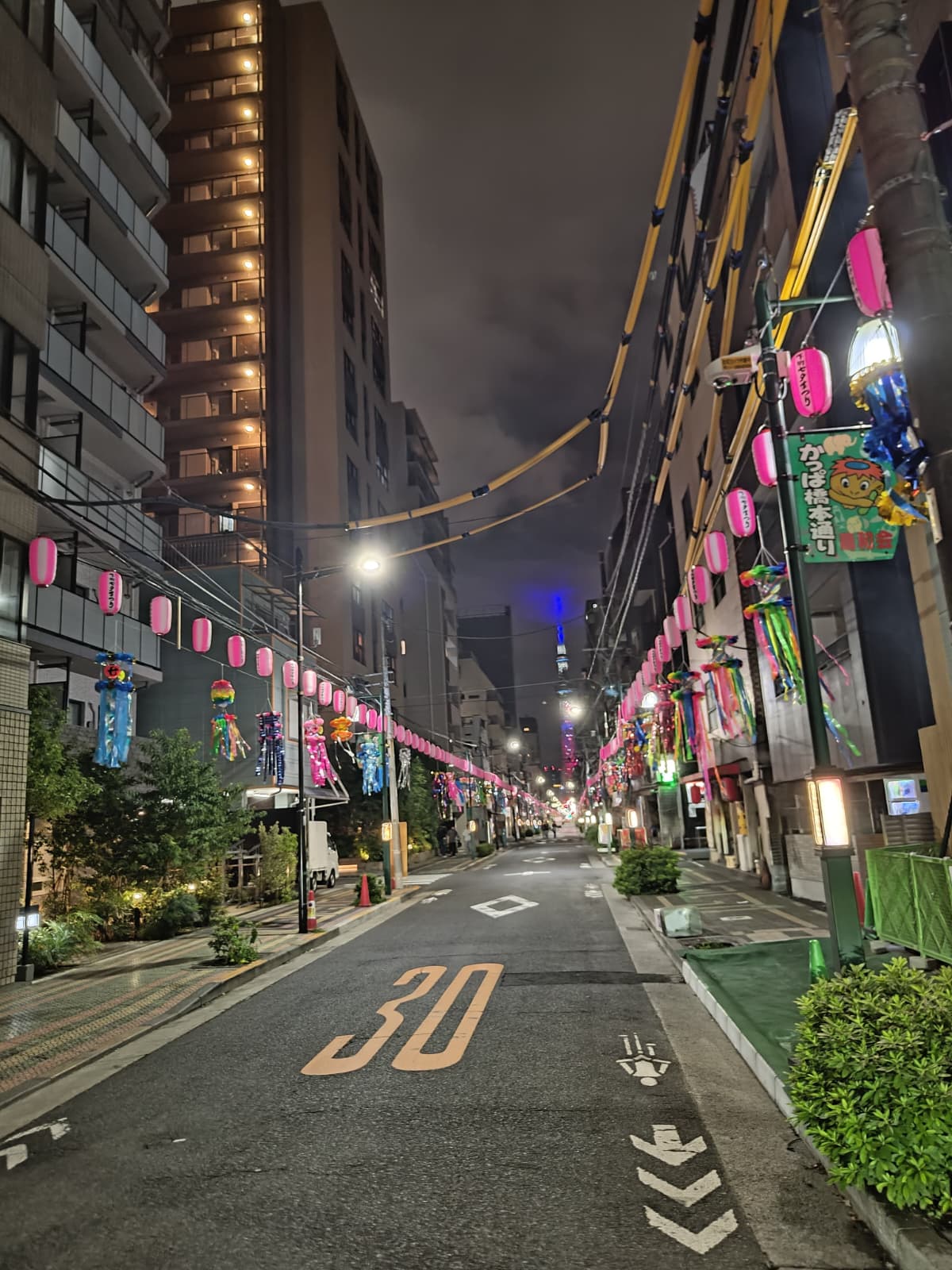
The places where I stayed away from the city, or rather the places the advertising signs did not light, somehow seemed charming. Their narrow streets, walking there; and at night especially it was quite safe.
Ah, speaking of safe: this was what I was trying to answer while thinking in Vienna. I had thought that the West trusting people, and not trying to guard everything, to control everything, brought a sense of trust and peace. Here it was the exact opposite: warnings everywhere, checks everywhere. Yes, there was no X-ray, but there were gates. In Tokyo especially I felt the controlling very intensely; in the metro even the lines for where you would stand had been drawn, where you would queue. Strange warnings, too; on the escalators, for instance, for women. Yet in the end Tokyo was very safe; people could feel safe in a conservative culture of control as well. Security could be provided. So neither of the two sides was the main cause. What was it, then, that brought the well-being, the security?
I want it to be known that I am on the side of trusting people. I do not find it reasonable to constantly put pressure on a person over the crimes they might possibly commit. I do not find it pleasant to be classified as a murderer, a thief, or — a favourite in academia in Türkiye — someone who cheats and plays tricks. "I do not find it pleasant" is the polite way of putting it; I am against it, in fact its enemy. To put on forgiveness when someone commits a crime, to approach them with constant tolerance because it would harm the offender and affect their future — which is not mercy to the guilty but a reward — and meanwhile to judge honourable people over the crimes they might commit, even to wait for them to commit one: how very just that is, is it not?